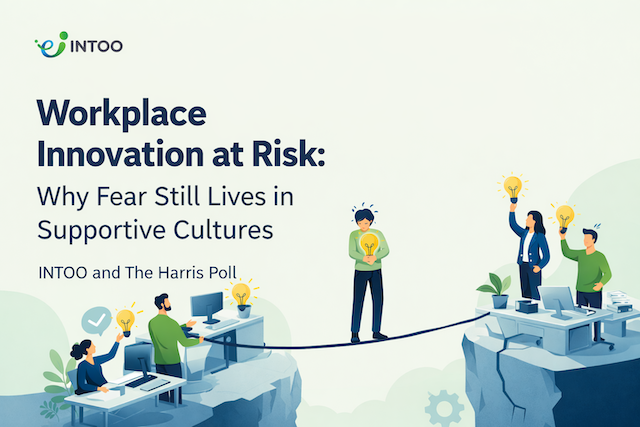
What Is an Inclusion Strategy?
An inclusion strategy is a structured plan to create a workplace where all employees feel respected, valued, and able to contribute fully.
While diversity focuses on representation, inclusion focuses on experience. An inclusion strategy outlines how an organization will foster belonging, equitable opportunity, and fair treatment across teams, leadership levels, and business functions.
It typically includes leadership accountability, policies, programs, measurement, and cultural initiatives designed to embed inclusive behaviors into daily operations.
Why It Matters to Employers
An effective inclusion strategy strengthens organizational performance and resilience.
It can help employers:
-
Improve engagement and retention
-
Increase innovation and collaboration
-
Reduce bias-related risk
-
Strengthen employer brand
-
Enhance decision-making through diverse perspectives
Without an intentional inclusion strategy, diversity efforts may stall, and organizations may experience disengagement, inequity concerns, or reputational risk.
How Employers Build an Inclusion Strategy
Building an effective inclusion strategy requires leadership commitment and measurable goals.
Employers should:
-
Assess current culture through employee feedback and data
-
Define clear inclusion objectives tied to business outcomes
-
Train leaders and managers on inclusive leadership behaviors
-
Establish accountability metrics and reporting structures
-
Regularly evaluate progress and adjust initiatives
Inclusion is not a one-time initiative. It is an ongoing leadership discipline that shapes culture, performance, and long-term workforce sustainability.