What Is Reverse Mentoring?
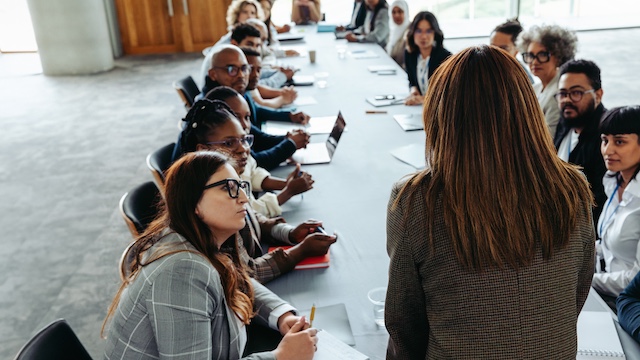
Reverse mentoring is a professional development practice in which junior or less-experienced employees mentor senior leaders or executives within an organization. Unlike traditional mentoring, where knowledge flows from the top down, reverse mentoring emphasizes the value of insights from younger or newer employees, particularly in areas such as technology, social trends, diversity, and modern workplace culture. This two-way learning model fosters mutual growth, with both mentors and mentees benefiting from shared perspectives.
Why Reverse Mentoring Is Important
Reverse mentoring is important because it helps bridge generational gaps and promotes a more inclusive and adaptable organizational culture. Senior leaders gain fresh perspectives on emerging trends, digital tools, and evolving customer behaviors, while junior employees develop confidence, effective communication skills, and visibility within the organization. It also signals that the company values diverse input, which can enhance innovation and drive better decision-making at all levels.
Relevance of Reverse Mentoring in the Workplace
In the modern workplace, reverse mentoring is highly relevant as organizations strive to stay competitive in a rapidly changing environment. It encourages collaboration across age groups, challenges outdated assumptions, and supports a culture of continuous learning. By leveraging the unique strengths of different generations, reverse mentoring helps organizations become more agile, inclusive, and forward-thinking. It also fosters stronger interdepartmental relationships and creates a more connected, empowered workforce.