
Retail organizations are good at investing in change. From new point-of-sale systems to omnichannel platforms, automated fulfillment, and AI-driven inventory tools, the industry spends heavily on transformation initiatives every year. What gets less attention is whether the people running those systems, working the floors, and managing those stores are actually ready for what’s being rolled out.
That gap is where most retail transformation efforts run into trouble. Technology implementations that looked clean on paper stall at the store level because employees weren’t prepared, managers weren’t equipped, or nobody communicated clearly about what was changing and why. The investment gets made, but the adoption doesn’t follow.
Effective change management, the practical work of making sure organizational change actually lands, is what connects the two.
Key Takeaways
- Best practices in change management in the retail industry help organizations navigate workforce, technology, operational, and market changes while maintaining business performance.
- Effective retail change management focuses on clear communication, employee engagement, leadership alignment, and practical support to help employees adapt to change.
- A well-designed change management strategy can reduce disruption, improve adoption, and help retail organizations build resilience during periods of transformation.
What Is Change Management in the Retail Industry?
Change management is the structured process of moving workers through organizational transitions. It covers how change gets communicated, how employees are trained and supported, how leadership aligns around a common message, and how organizations measure whether the change is actually taking hold.
In retail, that process has to work across a uniquely distributed workforce. A corporate initiative announced at headquarters of a nationwide organization, for example, might need to translate consistently into 200 stores across multiple time zones, while being managed by people with varying levels of experience and support. That’s a different challenge from rolling out a change in a single office or facility.
Why leadership alignment matters more than most retailers realize
Change fails at the manager level more often than anywhere else. When district managers and store managers don’t fully understand what’s changing, or don’t believe in it, that skepticism travels quickly to their teams. Frontline employees take cues from the people closest to them, not from corporate announcements. Organizations that invest in aligning leadership before a change rolls out gain a meaningful advantage over those that treat managers as a communication relay rather than a critical part of the change itself.
What good change management actually produces
When it works, change management reduces the disruption that comes with transformation. Employees know what’s coming, understand what’s expected of them, and have the tools to do the new thing. Customer experience stays stable because the people delivering it aren’t caught off guard. The organization also gets a faster return on its transformation investment because adoption happens, rather than stalling out somewhere between the announcement and the sales floor.
Common Business Changes That Require Change Management in Retail
Not every operational update requires a formal change management strategy. But the changes that affect how people work, what their roles look like, or how the organization is structured always do.
Digital transformation and new technology
New retail technology—whether a new POS system, a workforce management platform, or a customer-facing app—requires employees to learn new behaviors, not just new software. Technical training is necessary but not sufficient. People also need to understand why the change is happening and what success looks like in their role specifically.
AI and automation
Automation in stores, distribution centers, and customer service is changing what many retail jobs involve. Some tasks get eliminated. Others shift. New skills become relevant. Employees who don’t understand how automation fits into the organization’s direction—or who worry it signals something about their future—are harder to engage through a transition. Getting ahead of those concerns is part of the work.
Store openings, closures, and relocations
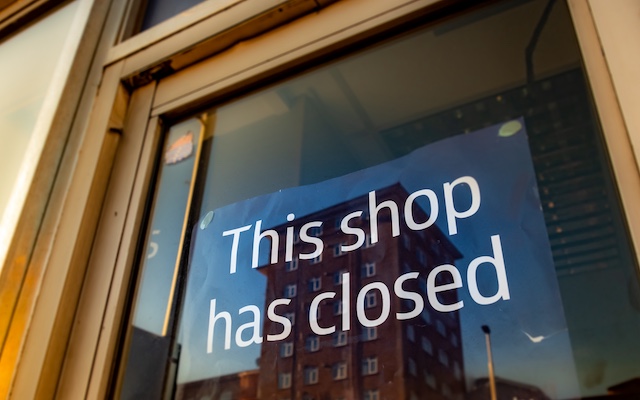
Opening a store requires building a culture and operational habits from scratch. A closure involves managing morale while maintaining service standards until the last day. A relocation affects employees’ commutes, routines, and sometimes their willingness to stay. None of these should be treated as purely logistical events.
Mergers, acquisitions, and restructuring
Combining two retail organizations means combining two sets of systems, two cultures, and two workforces, each with its own way of doing things. The operational integration is complicated enough. The human integration is harder. Without structured change management, the uncertainty that comes with M&A activity drives out the employees organizations most want to keep.
Workforce reductions and new staffing models
Downsizing, labor optimization, and changes to how shifts are structured all require careful communication and planning. These sit at the intersection of change management and employee relations, and getting either one wrong tends to make the other harder.

Best Practices for Managing Change in Retail Organizations
Communicate early, specifically, and more than once
Retail employees are busy. A single all-hands message or a corporate memo doesn’t cut through the way leadership assumes it does. The most effective communication happens in layers, with broad announcements, manager-led conversations at the store or district level, and ongoing updates as implementation progresses. The message also has to be specific. “We’re modernizing our operations” tells a store associate very little. “Here’s what your daily opening routine will look like starting March 1” tells them something they can actually use.
Equip store managers to lead the change locally
This is where retail change management either works or doesn’t. District managers and store managers need to understand the change well enough to answer the questions their teams will ask, and those questions will be practical and immediate.
- Why are we doing this?
- What happens to my role?
- What if the system doesn’t work the way the training said it would?
Giving managers talking points and walking away isn’t enough. They need genuine preparation, real answers, and a place to escalate the questions they can’t handle on their own.
Explain the why, not just the what
Employees who understand the reasoning behind a change are more likely to adopt it genuinely rather than comply minimally. In retail, where the pace is fast and the margin for confusion is low, this matters. Connecting a new system or process to something employees already care about—serving customers better, making a shift less chaotic, reducing a frustrating workaround—goes further than any rollout deck.
Train before, during, and after go-live
One training session before a system launches does not make a training program. People learn by doing, and questions always surface after implementation that didn’t come to mind beforehand. Building in structured support during the first weeks of a new process, such as floor support, quick reference guides, and a clear escalation path when something doesn’t work, meaningfully improves how well the change sticks.
Create space for feedback and actually use it
Frontline retail employees often spot problems with a new process faster than anyone at the corporate level. Building feedback channels into the change rollout—and then visibly acting on what comes in—does two things. It improves the implementation. It also signals to employees that their experience matters, making them more willing to engage through the hard parts of the transition.
Track adoption, not just completion
Training completion rates don’t tell you whether behavior has actually changed. Organizations that build measurement into their change management process get an earlier, clearer picture of what’s working and where the rollout needs support. Data points might include transaction data, mystery shop results, manager observations, and customer feedback.
Supporting Employees Through Workforce Restructuring and Organizational Change
When change, such as store closures, restructuring, and acquisition, includes workforce reductions, the stakes on the people side increase.
Employees who are directly affected deserve honest, timely communication and real transition support. Outplacement benefits, severance, and guidance around unemployment aren’t just gestures. They’re meaningful support at a difficult moment, and they reflect on how the organization will be remembered by the people who worked there.
The employees who remain are watching how departing colleagues are treated. A workforce reduction handled with dignity and transparency maintains greater trust among those who stay than one that feels rushed or dismissive. And trust, once damaged, is slow to rebuild, making the months after a reduction harder to navigate if it wasn’t handled well to begin with.
Customer confidence is also part of this picture. Stores undergoing significant change, including closures, often maintain higher service quality when employees feel supported and informed. When staff members are anxious and uncertain, it shows—and customers notice.
Conclusion
Change in retail is constant. Consumer expectations keep shifting. Technology keeps advancing. Business models keep evolving. The retailers that handle it well aren’t the ones that manage change the least. Rather, they’re the ones that have built genuine capability for managing it consistently.
That capability lives in how HR and retail leadership communicate, how managers are prepared to lead through uncertainty, and how employees are supported when transitions are hard. The organizations that invest in these things don’t just implement change more smoothly. They build a workforce that’s more willing to move with the business over time, and in retail, that’s a significant competitive advantage.
If your organization’s change involves workforce reductions, INTOO is here to help. With outplacement programs for every level of your business, from stock rooms to corporate headquarters, each affected team member can have the best opportunity to find their most meaningful next step. Contact us today to learn more.