Most of us have sat in meetings with something important to share but stayed quiet. Maybe the idea wasn’t fully formed, or a past suggestion was dismissed in a way that hurt. Sometimes, the room just doesn’t feel safe. This type of silence, though easy to overlook, can cost organizations more than they think.
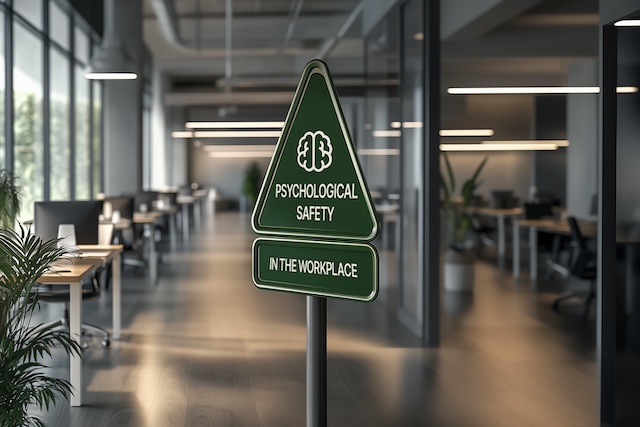
Having psychological safety means everyone on a team or at work feels comfortable speaking up, asking questions, and admitting mistakes without worrying about embarrassment or punishment. Harvard Business School professor Amy Edmondson made this idea well-known. Her research found that the best teams weren’t just more talented, but also reported more mistakes, could talk about errors openly, and felt safe enough to take risks with each other.
This difference is important.
Talented people stay quiet if they don’t feel welcome. Expertise is wasted when people expect to be ridiculed. Organizations that allow this kind of culture, even by accident, end up with less innovation, less engaged employees, and more avoidable mistakes.
For HR leaders and managers, psychological safety is now one of the most important ways to build a positive company culture where people can genuinely thrive. There is strong and growing research backing this up, linking psychological safety to engagement, retention, teamwork, and even financial results.
In this article, we’ll look at why psychological safety is important, what can make it hard to achieve, and how leaders and HR professionals can make it part of daily life at work, even during difficult times.
Key Takeaways
- Psychological safety lets employees share ideas, ask questions, and admit mistakes without fear of retaliation. It is directly linked to engagement, innovation, and retention.
- Barriers such as blame-focused cultures, poor communication, and leaders who discourage disagreement slowly break down the trust employees need to speak up.
- To build psychological safety, leaders need to act consistently, HR must have strong practices, and organizations should set up concrete ways for employees to share their thoughts, especially during times of change.
Why Psychological Safety Matters for Employees and Organizations
Some people talk about psychological safety only in terms of staff well-being, and that alone is a reason to care. People spend much of their lives at work. Whether they feel safe, respected, and meaningful during that time affects health, relationships, and life satisfaction far beyond just earning a paycheck.
But the business case is just as powerful. If employees feel psychologically safe, they contribute more. They share ideas earlier, including the unconventional ones that turn out to spark innovation. They flag problems before they become crises. They collaborate across functions rather than retreat into silos. And they stay with the company longers than those who don’t feel that way.
Let’s look at what actually changes when psychological safety is present:
Greater engagement and job satisfaction
True employee engagement and job satisfaction are driven by respect, trust, and inclusion rather than superficial perks.
Increased innovation
Solving problems creatively means taking risks. When people are afraid of being judged, they stick to what they know is already accepted. Psychological safety lets people share ideas, try new things, and learn from mistakes. This is the kind of environment where breakthroughs happen.
Better teamwork
Teams with strong psychological safety don’t waste energy protecting themselves. Instead, they focus on the work. Collaboration improves when people don’t have to worry about how their words will be taken.
Stronger trust between employees and leaders
Trust goes both ways. When leaders reward honesty instead of punishing it, employees trust them in return. This give-and-take is the foundation for everything else.
Greater inclusion and belonging
Not everyone experiences psychological safety the same way. Without consideration for marginalized groups, employees with those backgrounds or identities often have to watch themselves more closely, worrying about how their ideas will be received.
Reduced turnover and burnout
People often leave because their managers or overall company culture make them feel unimportant. Burnout gets worse when employees can’t speak up about problems or challenge unrealistic demands.
Strengthened organizational resilience
When things change, as they always do, organizations need people who offer feedback about what works and what doesn’t. Honest and flexible communication only happens where psychological safety is present.
What Gets in the Way of Psychological Safety?
It’s just as important to understand the barriers to psychological safety as it is to know the benefits. Many organizations genuinely want to create safe environments, but sometimes, even with good intentions, they end up doing the opposite.
The most common obstacles are subtle patterns that build over time, creating a culture where staying quiet seems the safest option.
Fear of retaliation or negative consequences: This doesn’t have to mean formal punishment. It can be as simple as a colleague’s eye roll, a manager’s condescending tone, or the memory of what happened the last time someone said the wrong thing in a meeting. Perceived consequences don’t have to be real to be powerful.
Lack of trust in leadership: Employees who don’t believe their leaders have their best interests at heart will protect themselves by saying less. Trust is built slowly via consistent behavior and eroded quickly by broken promises, inconsistency, or the sense that vulnerability is used against people rather than honored.
Blame-oriented cultures: In organizations where mistakes are seen as personal failures rather than learning opportunities, people become skilled at hiding errors and avoiding responsibility. The cost is huge: errors add up, problems are ignored, and growth stops.
Poor communication practices: When communication happens from the top down and is sparse, employees fill the gaps with anxiety and rumor. When feedback channels are unclear or feel performative, people stop using them. When important decisions are made without explanation, trust erodes.
Micromanagement: Constant oversight sends a message that employees aren’t trusted to do their jobs. That message connects and people stop trying to bring creative input to work that doesn’t feel like theirs to shape.
Previous experiences where concerns were ignored: If when an employee raises a concern but nothing changes and no one follows up, it becomes a powerful lesson about whether speaking up is worth the risk. Organizations inherit the consequences of past experiences, whether they know it or not.
Limited opportunities for feedback: When employees don’t have established ways to raise issues—no safe channels, no anonymous options, no system that makes feedback feel useful instead of risky—they simply stay silent. That silence doesn’t mean they agree; it means they’ve given up.

How Leaders and HR Can Build Psychological Safety
Psychological safety is built step by step, through every action and interaction. Leaders set the tone, but HR creates the systems, policies, and practices that either support or weaken it.
Promote open dialogue and undertake active listening.
This sounds simple, but it isn’t. Active listening means being truly curious, asking follow-up questions, staying with discomfort, and not jumping to defend or dismiss. Leaders who do this well and consistently build a reputation as people worth talking to.
Make a point to invite different perspectives.
In any group, some voices tend to dominate. Psychological safety means working to change that. Ask quieter team members for their thoughts. Get input before making decisions, not after. Set up ways for people to share ideas before meetings if that suits them better.
Respond constructively to feedback.
The way a leader reacts the first time someone raises a tough issue will decide if others do the same in the future. Acknowledge the feedback, ask questions, and thank people for speaking up. Even if you disagree, show that it’s safe to share concerns.
Model vulnerability and accountability.
Leaders who admit mistakes, display hesitation, and ask for help encourage their teams to do the same. This isn’t a weakness; it’s one of the strongest signals a leader can send. It shows that everyone is in it together and honesty matters.
Recognize employee contributions in clear and visible ways.
Recognition encourages the behaviors you want to see more often. When employees notice that speaking up, sharing ideas, or pointing out problems leads to appreciation instead of negative consequences, the culture starts to change.
Train managers in communication skills.
Psychological safety is created or lost at the team level, and managers’ actions are important. When HR invests in coaching, communication training, and manager development, it benefits the entire team.
Set up real ways for employees to share feedback and concerns.
Tools like pulse surveys, open forums, skip-level meetings, and anonymous reporting only work if people believe their input leads to action. Always follow up and show employees what changed as a result of their feedback.
Promote inclusion across all teams.
Belonging is at the heart of psychological safety. Programs that support inclusion, just practices, and leaders who sincerely value and respect diverse perspectives help create a place where everyone feels they belong.
Psychological Safety During Organizational Change
Change is the time when psychological safety is tested the most and when it is needed most.
Layoffs, restructuring, mergers, leadership adjustments, and strategy shifts all create uncertainty. And when uncertainty isn’t managed well, it turns to fear. Fear makes people stay silent. When employees stop speaking up during change, organizations lose the information and engagement they need most to get through it.
The stakes are high. If employees don’t feel safe asking what a restructuring means for them, they spend their energy worrying or looking for new jobs instead of working. Rumors travel when there’s no clear information. Trust breaks down, and the organization emerges from the change weaker than before.
To exist during change, psychological safety needs the same things as in stable times, but it requires even more consistency and attention.
Lower anxiety by communicating honestly and on time. You don’t need to have all the answers to communicate well. Admit what you don’t know, share what you do, and promise to update as you learn more. Staying silent makes people think something is being hidden.
Make space for questions and concerns. Use town halls, Q&A sessions, team meetings, and one-on-ones to give employees a chance to share what they’re experiencing. Always respond, even if the answer is complicated or incomplete.
Help employees trust the process. They don’t have to agree with every decision, but they do need to understand why choices are made. Being open about decision-making, even when it’s tough, creates trust and keeps people engaged during hard times.
Actively protect worker well-being. Change is tiring, and morale can drop. Leaders and HR professionals who check in, recognize the challenges, and offer real support (and not just positive messages), are the ones who keep trust and connection strong.
Keep teams grounded to sustain productivity. When the future is unclear, it’s important to be clear about the present. Psychological safety helps teams focus on what they can control, talk openly about challenges, and keep working together effectively.
Why Psychological Safety Should Be a Workplace Priority
There’s a reason psychological safety is now a topic within boardrooms and not just in academic circles. The evidence proving its importance is strong, and the risks are too great to ignore.
Organizations that invest in psychological safety and embed it into their leadership, HR practices, and daily culture see real results. They have higher engagement, better retention, faster innovation, stronger teams, and better performance during tough times.
Psychological safety doesn’t happen through a single program or a one-time workshop. It’s an ongoing, intentional effort to create an environment where people know their voices matter and speaking up won’t hurt them.
Organizations that do this well are better able to draw top talent, keep their best people, and build teams that solve challenges big and small. They aren’t perfect—no workplace is—but they make honesty and trust integral to their culture.
For every HR leader and manager, the question isn’t whether psychological safety matters. The real question is whether your organization is ready to do the steady, sometimes uncomfortable work to build it, and whether you’ll start today.
From candidate experience tools that empower candidates to put their best foot forward, to career development programs that foster employee growth and engagement, to outplacement services that provide support during workforce transitions, INTOO delivers solutions that promote psychological safety at every stage of the employee lifecycle. Contact us for more information on how we can be a vital part of creating and maintaining a positive workplace for all.