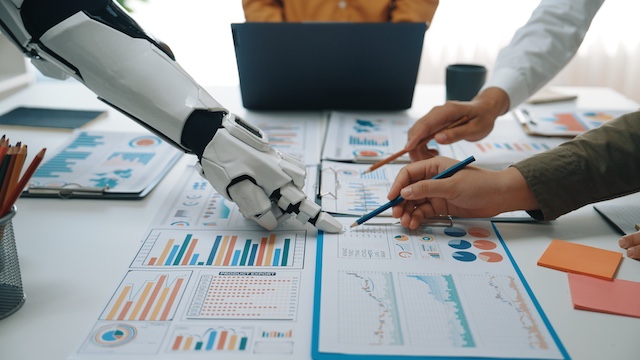
Automation is no longer a “future of work” concept – it’s already here. From scheduling tools to data analytics, technology is helping organizations move faster and work smarter. But speed and efficiency alone don’t build strong workplaces. Human insight, judgment, and empathy still matter just as much.
The most successful organizations aren’t choosing between automation and human oversight, or between automation vs humans in the workplace. Instead, they’re figuring out how these elements can work better together.
What Do Automation and Human Oversight Mean Today?
In modern workplaces, automation typically handles repetitive, time-consuming, or data-heavy tasks. Tools like resume screening, workflow management, reporting, and basic customer support free up time and reduce manual effort.
Human oversight, on the other hand, is about interpretation and direction. It’s the ability to ask the right questions, apply context, and make thoughtful decisions that align with company values and long-term organizational goals. When automation and people are intentionally paired, teams see higher productivity, better quality, and less burnout.
The goal isn’t replacement, it’s reinforcement. In the debate of automation vs human oversight, technology should extend human capability, not remove the human element altogether. A balanced approach to automation vs humans in the workplace ensures that technology is used as a tool to support people, not as a substitute.
Why the Human Element Still Makes the Difference
Automation works by analyzing existing data and predefined rules, which means it can unintentionally reinforce bias, miss nuance, or overlook emerging potential.
Humans contribute emotional intelligence, ethical reasoning, creativity, and adaptability to processes and products. For example, an algorithm used by a talent acquisition tool may surface candidates who match a specific profile, but HR professionals could recognize growth potential, transferable skills, and cultural fit, all of which factor into long-term success.
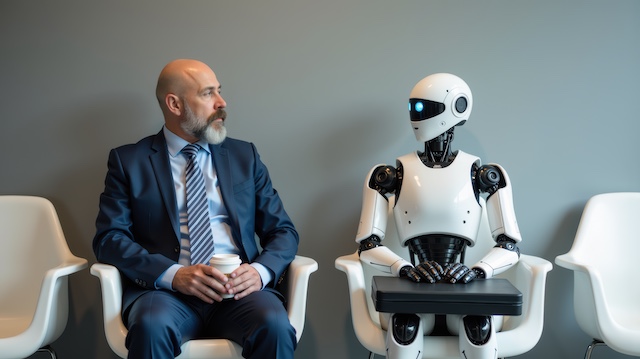
Where Automation and People Work Best Together
The strongest results come from humans working hand in hand with technology. Across many functions, automation and human insight naturally complement each other:
1. Talent acquisition
Technology can speed up resume reviews and scheduling, while recruiters focus on meaningful conversations and assessing alignment beyond the job description.
2. Customer experience
Automated tools handle routine questions quickly, giving customers some immediate support. But human teams step in when situations require empathy, judgment, or problem-solving.
3. Data and analytics
Platforms can surface trends and patterns at scale. People add nuance, turning those insights into strategy, weighing context, risk, and impact before acting.
4. Risk and compliance
Automation flags inconsistencies and monitors requirements in real time. Human oversight ensures exceptions are understood and that policies evolve as situations change.
5. Performance and development
Metrics help track progress, but managers provide coaching, feedback, and career guidance that support real growth.
6. Learning and upskilling
Digital learning systems personalize content and track completion, while mentors and instructors help employees apply new skills in practical, meaningful ways.
In each case of automation vs human oversight, automation improves efficiency, but people ensure quality, fairness, and connection. The comparison of automation vs humans in the workplace highlights that while machines can handle repetitive tasks, human oversight is crucial for nuanced decision-making and maintaining organizational values.
Building a Smarter Human-Automation Balance
Creating the right balance doesn’t require a full overhaul of workplace processes. It starts with intentional choices:
- Look at current workflows to identify which tasks can be automated and which decisions require human judgment.
- Clarify responsibilities so it’s clear when people manage and when technology can support.
- Introduce tools thoughtfully, starting small and adjusting based on feedback.
- Measure what matters, including accuracy, quality, engagement, and experience; not just speed.
- Support your people with training and clear communication about how roles may evolve.
- Revisit and refine as technology and business needs change.
When organizations stay flexible and people-focused, automation becomes an asset rather than a disruption, allowing employees to focus on more important tasks.
Final Thoughts
Technology works best when it amplifies what people do well. Organizations that balance automation with human oversight create workplaces that are not only more efficient but also more thoughtful, ethical, and resilient.
By keeping people central to the business and using technology as a tool rather than a substitute, leaders can build environments where innovation thrives, teams feel supported, and long-term success is sustainable.
With personalized coaching programs, INTOO can help ensure your employees grow as technology evolves. Contact us today to learn how our coaching contributes to a more agile workforce.

INTOO staff writers come from diverse backgrounds and have extensive experience writing about topics that matter to the HR and business communities, including outplacement, layoffs, career development, internal mobility, candidate experience, succession planning, talent acquisition, and more.